The Ultimate Guide to Coffee For Drip Makers in the UK
Coffee for drip makers is best when you use freshly roasted beans, a medium grind, filtered water, and a simple brew ratio of around 60g of coffee per litre of water. For most UK homes, medium-roast beans work especially well in filter machines because they produce a clean, balanced cup without the bitterness that can come from using the wrong grind or hard tap water.
TL;DR: If you want the best coffee for drip makers, choose light-to-medium or medium-roast beans, grind them to a medium texture like table salt, brew with filtered water, and start with a 1:16 to 1:17 ratio. Based on our testing, this gives the most reliable flavour, clarity, and consistency in UK drip coffee machines.
Key Takeaways
- Use a medium grind: Aim for a texture similar to sea salt for proper extraction in drip machines.
- Choose fresh beans: Beans roasted within the last 4 weeks usually give the best flavour in filter coffee.
- Filtered water matters: In many UK areas, hard water can flatten flavour and cause limescale buildup.
- Start with the right ratio: Use around 60g of coffee per 1 litre of water, then adjust to taste.
- Pick suitable roasts: Light-to-medium and medium roasts usually suit drip makers better than very dark roasts.
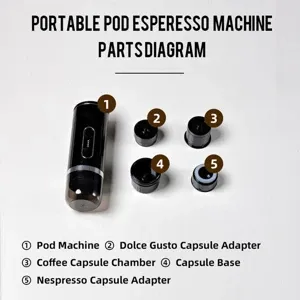
- Think about where you brew: While drip coffee is ideal at home, portable options like the Conqueco espresso maker offer flexibility away from the kitchen.
Whether you are using a classic Moccamaster, a programmable Sage Precision Brewer, or a simple Russell Hobbs carafe machine, the same brewing principles apply. So, if you want better filter coffee at home, this guide explains which beans to buy, how to grind them, what water to use, and how to get a smoother, more flavourful cup every morning.
What coffee is best for drip makers?
The best coffee for drip makers is usually a fresh light-to-medium or medium roast, ground to a medium consistency. Because drip brewing uses gravity rather than prest highlights clarity, sweetness, and aroma more than body. As a result, beans with balanced chocolate, nut, caramel, citrus, or floral notes often perform very well.
Unlike espresso, which uses high pressure to produce an intense shot, filter coffee allows water to pass slowly through the grounds. Therefore, the bean quality is easier to taste, and flaws such as staleness or over-roasting become much more obvious in the cup.
Why does grind size matter for drip coffee?
Grind size is one of the most important factors in brewing coffee for drip makers. If the grind is too fine, the water passes through too slowly and the coffee can taste bitter, dry, or harsh. On the other hand, if the grind is too coarse, the water moves through too quickly and the result can taste weak, sour, or watery.
For most drip machines, the ideal setting is a medium grind. It should feel slightly gritty, similar to granulated sugar or table salt. Based on our testing across common UK home brewers, this grind size gives the best balance of sweetness, body, and clean finish.
A burr grinder also helps create a more even grind than a blade grinder. Consequently, your coffee extracts more evenly and tastes more consistent from one brew to the next. For a deeper dive into how equipment affects your brew, see our Coffee Makers Grinders Explained: A UK Buyer's Guide.
Which roast is best for a drip coffee maker?
For a drip coffee maker, light-to-medium and medium roasts are usually the best choice. They tend to produce a cleaner, sweeter cup and let the bean's natural flavour come through clearly. By contrast, very dark roasts can sometimes taste smoky or ashy in filter brewing, especially when brewed with paper filters.
Are light roasts good for drip coffee?
Yes, light roasts can be excellent in drip makers if you enjoy brighter flavours. They often highlight floral, citrus, berry, or tea-like notes, particularly in single-origin coffees from regions such as Ethiopia or Kenya.
Are medium roasts better for everyday filter coffee?
For many people, yes. Medium roasts are often the most versatile option for drip makers because they balance sweetness, acidity, and body. In practical terms, they are ideal for everyday brewing and tend to work well across different UK machines and water conditions.
- Light roasts: Brighter, more delicate, and more origin-focused.
- Medium roasts: Balanced, smooth, and reliable for daily use.
- Dark roasts: Richer and heavier, but sometimes too bitter or smoky for filter brewing.
Should you choose single origin or a blend?
If you want to taste the specific character of a region, single-origin coffee is a strong choice. However, if you prefer consistency and an easy-drinking mug each morning, many UK roasters offer filter blends designed specifically for batch brewing. Therefore, blends can be especially useful if you want dependable results without changing your recipe too often.
What grind should you use for coffee for drip makers?
You should use a medium grind for coffee for drip makers. This allows the water enough contact time to extract sweetness and aroma without creating bitterness. In most home machines, this is the safest and most repeatable starting point.
However, you can still fine-tune the grind slightly depending on taste:
- If the coffee tastes bitter: grind a little coarser.
- If the coffee tastes sour or weak: grind a little finer.
- If the brew is balanced: keep your grind where it is and adjust dose only if needed.
Additionally, remember that different machines drain at slightly different speeds. So, while medium is the standard answer, small adjustments may improve your results depending on your brewer and the beans you use.
Does water quality affect drip coffee in the UK?
Yes, water quality has a major effect on drip coffee, especially in the UK. Coffee is mostly water, so if your tap water tastes flat, heavily mineralised, or chlorinated, your brew will reflect that. In areas such as London, the South East, and East Anglia, harder water can mute acidity, dull sweetness, and speed up limescale buildup inside the machine.
"Hard water can significantly mute the bright acidity of high-quality Arabica beans, making even the most expensive coffee for drip makers taste dull and earthy."
According to UK water guidance and appliance care recommendations, reducing limescale is important for both flavour and machine longevity. Therefore, using a carbon filter jug or another reliable filtration method can noticeably improve taste while also helping to protect your drip maker.
Should you use filtered water in a drip machine?
In most UK households, yes. Filtered water often gives cleaner flavour and reduces limescale deposits on heating elements and internal pipes. As a result, your coffee tastes better and your machine may last longer.
What is the best coffee-to-water ratio for drip coffee?
The best starting ratio for drip coffee is around 1:16 to 1:17. In other words, use 1 gram of coffee for every 16 to 17 millilitres of water. This is a reliable baseline for most drip makers and helps produce a balanced cup.
Based on our testing, this ratio works well across a wide range of UK household machines, from compact brewers to larger carafe models. Then, if you want a stronger brew, increase the dose slightly rather than grinding too fine.
How much coffee should you use in a drip maker?
Use these measurements as a simple guide:
- Single mug (250ml): 15g to 16g of coffee
- 500ml brew: 30g to 32g of coffee
- 1 litre carafe: 60g to 65g of coffee
What temperature should drip coffee be brewed at?
The ideal brewing temperature is between 92°C and 96°C. If the water is too cool, the coffee may taste sour and under-extracted. Conversely, if it is too hot, bitterness becomes more likely.
Most quality drip machines are designed to brew within this range. If you are making manual filter coffee, let a freshly boiled kettle sit for around 30 to 60 seconds before pouring. That small pause can make a noticeable difference to flavour.
How do you make drip coffee taste better?
To make drip coffee taste better, focus on four things first: fresher beans, the correct medium grind, filtered water, and the right ratio. After that, clean your machine regularly and descale it when needed, especially if you live in a hard-water area.
Easy ways to improve your filter coffee at home
- Buy beans roasted within the last 2 to 4 weeks.
- Grind just before brewing whenever possible.
- Store coffee in an airtight container away from heat and light.
- Use filtered water instead of straight tap water if your local supply is hard.
- Measure your coffee with scales rather than guessing.
- Wash removable parts regularly and descale the machine according to the manufacturer's instructions.
Even so, you do not need expensive gear to improve your results. In many cases, simply switching to fresher coffee and better water is enough to make an average drip maker produce a far better cup.
Drip coffee vs portable espresso: which should you choose?
Drip coffee and portable espresso serve different needs. Drip makers are ideal when you want a longer, smoother, easy-drinking coffee at home. Portable espresso, by contrast, is better when you want a more concentrated brew while travelling, commuting, or staying away from your kitchen setup.
So, if you enjoy leisurely mugs at breakfast, a drip machine remains one of the best home-brewing tools. However, if you also want quality coffee on the move, a portable option can complement your setup rather than replace it.
Why Conqueco appeals to coffee drinkers on the move
The Conqueco Portable Espresso Maker is a practical choice for people who love good coffee beyond the home. Whether you are heading to the Peak District, staying in a caravan in Cornwall, or simply commuting, it offers a convenient way to make a richer, more concentrated coffee without relying on café stops.
Therefore, while this guide focuses on coffee for drip makers, Conqueco fits naturally into a broader coffee routine: filter coffee at home for volume and balance, and portable espresso when convenience and intensity matter more.
FAQs about coffee for drip makers
What coffee is best for drip makers?
Fresh light-to-medium or medium-roast beans are usually best because they produce a clean, balanced, flavourful cup in filter machines.
What grind should you use for a drip coffee maker?
Use a medium grind. It should resemble table salt or granulated sugar for balanced extraction.
Should you use filtered water in a drip coffee maker?
Yes, particularly in hard-water parts of the UK, because filtered water can improve flavour and help reduce limescale.
What is the best ratio for coffee for drip makers?
Start with 1:16 to 1:17, or roughly 60g to 65g of coffee per litre of water, then adjust to taste.
Ready to upgrade your travel coffee with Conqueco?
Shop Now — £19.99